


Assessment Findings Highlight Opportunities to Strengthen Nutrition Advocacy
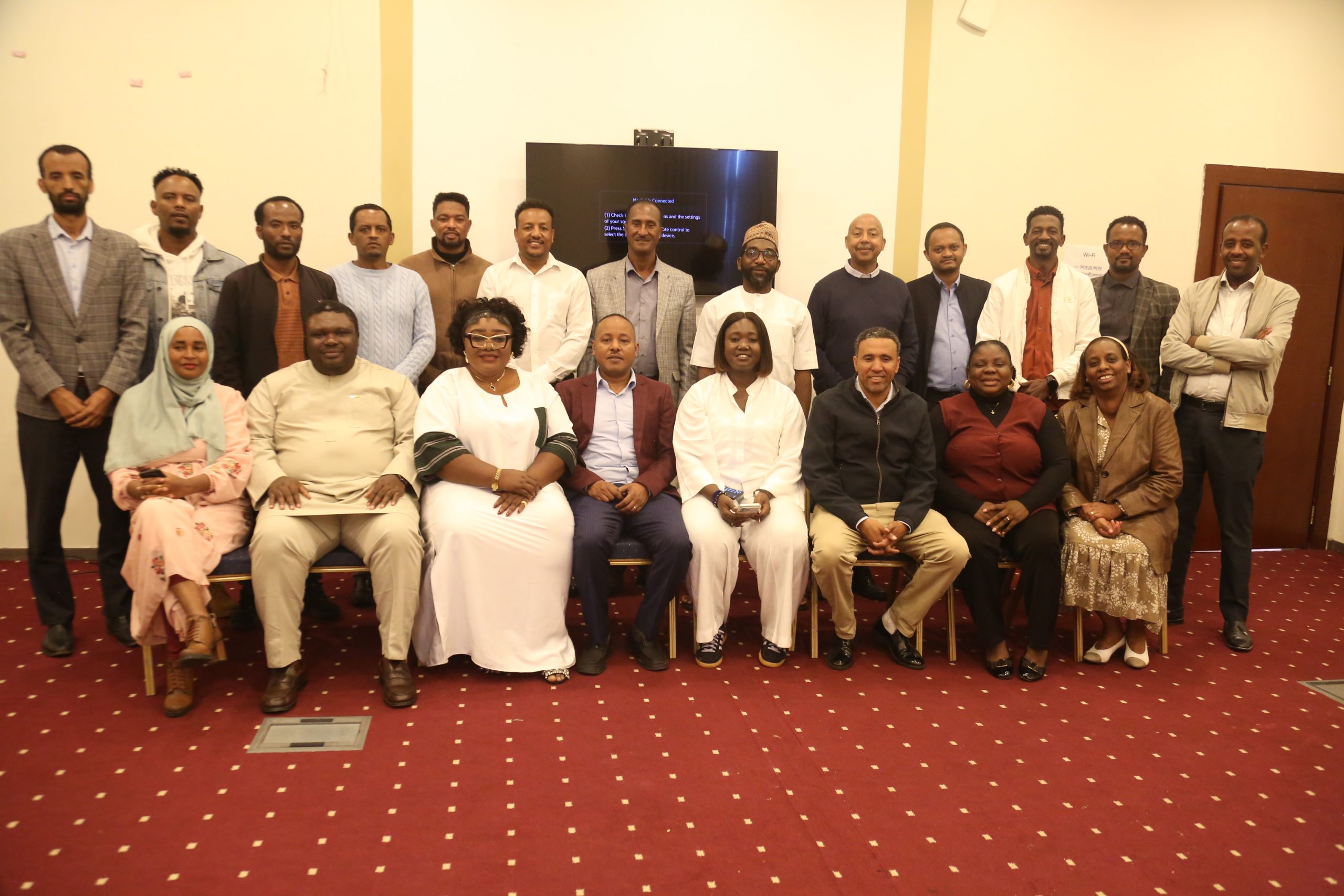
The Ethiopian Civil Society Coalition for Scaling Up Nutrition (ECSC-SUN), in partnership with SUN Civil Society Alliance (SUN CSA) Nigeria, held a Validation Workshop in Addis Ababa to review findings from the Organizational Capacity Assessment and the Multiple Micronutrient Supplements (MMS) and Large-Scale Food Fortification (LSFF) implementation survey. During the workshop, stakeholders reviewed preliminary baseline and Organizational Capacity Assessment findings and identified critical areas requiring capacity strengthening among coalition members. A key technical gap highlighted by the assessment was the limited capacity to utilize budget tracking, budget tracing, and accountability tools for monitoring nutrition investments and advocacy efforts. The assessment also identified priority actions for accelerating the scale-up of LSFF in Ethiopia. Participants emphasized the need to strengthen regulatory enforcement mechanisms to ensure compliance with fortification standards and to build the technical capacity of private-sector actors involved in food fortification to improve the quality and reach of fortified food products. The findings and recommendations from the Organizational Capacity Assessment and the MMS and LSFF implementation survey will serve as critical evidence for the effective implementation of the Partnerships and Innovations for Nutrition in Nigeria and Ethiopia (PINNS 3.0) Project The project is being implemented by ECSC-SUN under the PINNS 3.0 Project. The project is funded by SUN CSA, through Action Against Hunger (ACF), serving as the grant administrator. Through this partnership, ECSC-SUN is leading the implementation of activities aimed at strengthening evidence-based nutrition advocacy and advancing sustainable interventions to improve nutrition outcomes especially, MMS and LSFF implementation in Ethiopia. The workshop brought together representatives from government, civil society, development partners, the private sector, and nutrition experts to discuss key findings and identify priority actions for strengthening nutrition advocacy and implementation efforts in Ethiopia.
Read More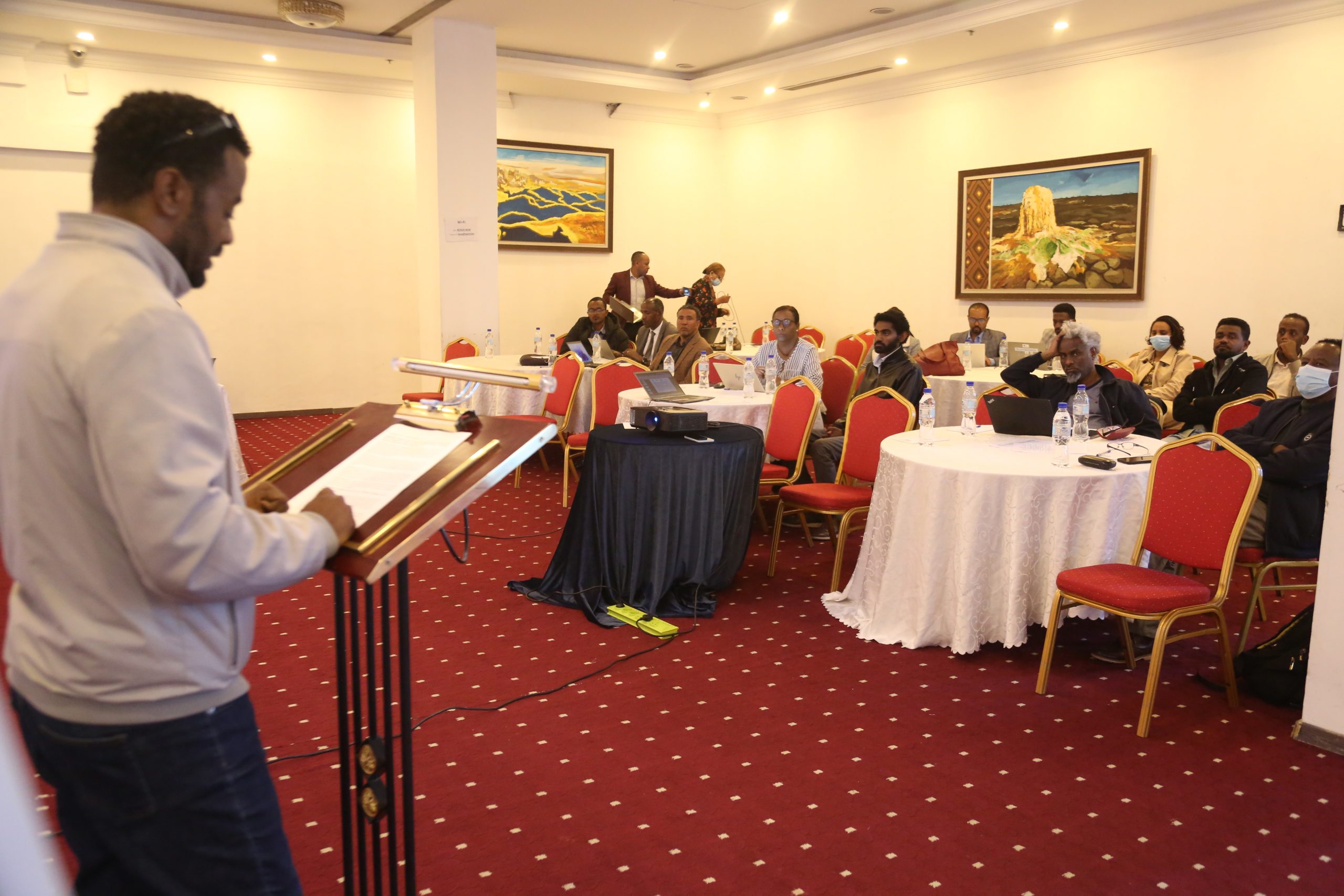
CS-SUNN PINNS 3.0 Launched to Advance Nutrition Advocacy in Ethiopia
The Ethiopian Civil Society Coalition for Scaling Up Nutrition (ECSC-SUN) and Action Against Hunger (ACF), in collaboration with the Ministry of Health (MOH), officially launched the CS-SUNN PINNS 3.0 Project during a high-level kick-off workshop held at the Swiss Inn Nexus Hotel in Addis Ababa on 23 July 2026 . The event brought together government representatives, civil society organizations, development partners, regional chapter leaders, professional associations, researchers, and private-sector stakeholders to advance a shared commitment to improving nutrition outcomes in Ethiopia. The launch marks the beginning of a two-year initiative designed to strengthen civil society leadership, enhance nutrition advocacy, increase public financing engagement, and promote evidence-based action to address key nutrition challenges across the country. Participants reaffirmed the importance of collective action and multi-sectoral collaboration in supporting Ethiopia’s nutrition priorities and commitments under the global Scaling Up Nutrition (SUN) Movement. During the workshop, project leaders presented the strategic priorities and implementation framework of the PINNS 3.0 Project. The initiative will focus on strengthening institutional capacity, advancing policy advocacy, supporting nutrition financing, improving accountability mechanisms, promoting cross-country learning, and enhancing collaboration among stakeholders at national and regional levels. Planned activities include training programs, multi-stakeholder dialogues, advocacy campaigns, policy monitoring, budget tracking, knowledge-sharing forums, and the establishment of a digital knowledge hub. A key feature of the project is its focus on accelerating advocacy around Multiple Micronutrient Supplementation (MMS) for pregnant women and the implementation of Large-Scale Food Fortification (LSFF). Presentations during the workshop highlighted persistent challenges affecting both interventions, including financing constraints, supply chain limitations, quality assurance gaps, low public awareness, inequitable access to services, and weak coordination mechanisms. Stakeholders agreed that addressing these bottlenecks will require stronger policy engagement, sustained investment, and coordinated action across sectors. ECSC-SUN emphasized its role as a national platform for coordinating civil society organizations working on nutrition. The coalition will continue mobilizing members, facilitating knowledge exchange, supporting regional chapters, leading advocacy campaigns, and strengthening accountability efforts to ensure nutrition remains a national development priority. Regional chapter leaders are expected to play a critical role in coordinating advocacy efforts and expanding engagement at sub-national levels. As the project’s fund administrator, Action Against Hunger (ACF) outlined key implementation, compliance, reporting, and accountability requirements that will guide project delivery over the next two years. The organization reaffirmed its commitment to supporting effective project management and fostering collaboration among partners to achieve measurable results. The workshop also highlighted the essential roles of key stakeholders. The Ministry of Health will lead efforts to integrate and scale up MMS within national nutrition policies and guidelines, while the Ministry of Industry will support the development and enforcement of food fortification standards. The Ministry of Finance is expected to champion nutrition financing and resource mobilization, and the Ethiopian Food and Drug Authority (EFDA) will oversee quality and regulatory compliance. Development partners, research institutions, professional associations, and private-sector actors will provide technical expertise, financial support, evidence generation, innovation, and supply chain engagement. Participants used the forum to identify implementation priorities, strengthen partnerships, and develop Year One action plans in collaboration with the ECSC-SUN Steering Committee and Regional Chapter Leads. The discussions underscored the importance of evidence-driven advocacy, sustained public investment, and strong accountability systems to achieve lasting nutrition gains and reach vulnerable populations, including women, children, and communities in remote and underserved areas. The launch of the CS-SUNN PINNS 3.0 Project represents an important milestone in strengthening civil society engagement and advancing Ethiopia’s nutrition agenda. By promoting policy dialogue, enhancing public financing for nutrition, supporting food fortification and maternal nutrition initiatives, and fostering collaboration across sectors, the project aims to contribute to healthier communities and a more nutrition-secure future for all Ethiopians. Advocacy Message: The project supports efforts to transform Ethiopia’s Multiple Micronutrient Supplementation roadmap into a fully funded, monitored, and equity-focused program, ensuring that every pregnant woman has access to quality antenatal care and adequate micronutrient supplementation. #CSSUNN #PINNS30 #ECSCSUN #ActionAgainstHunger #MoH#NutritionAdvocacy #FoodFortification #MMS#PartnershipForNutrition
Read More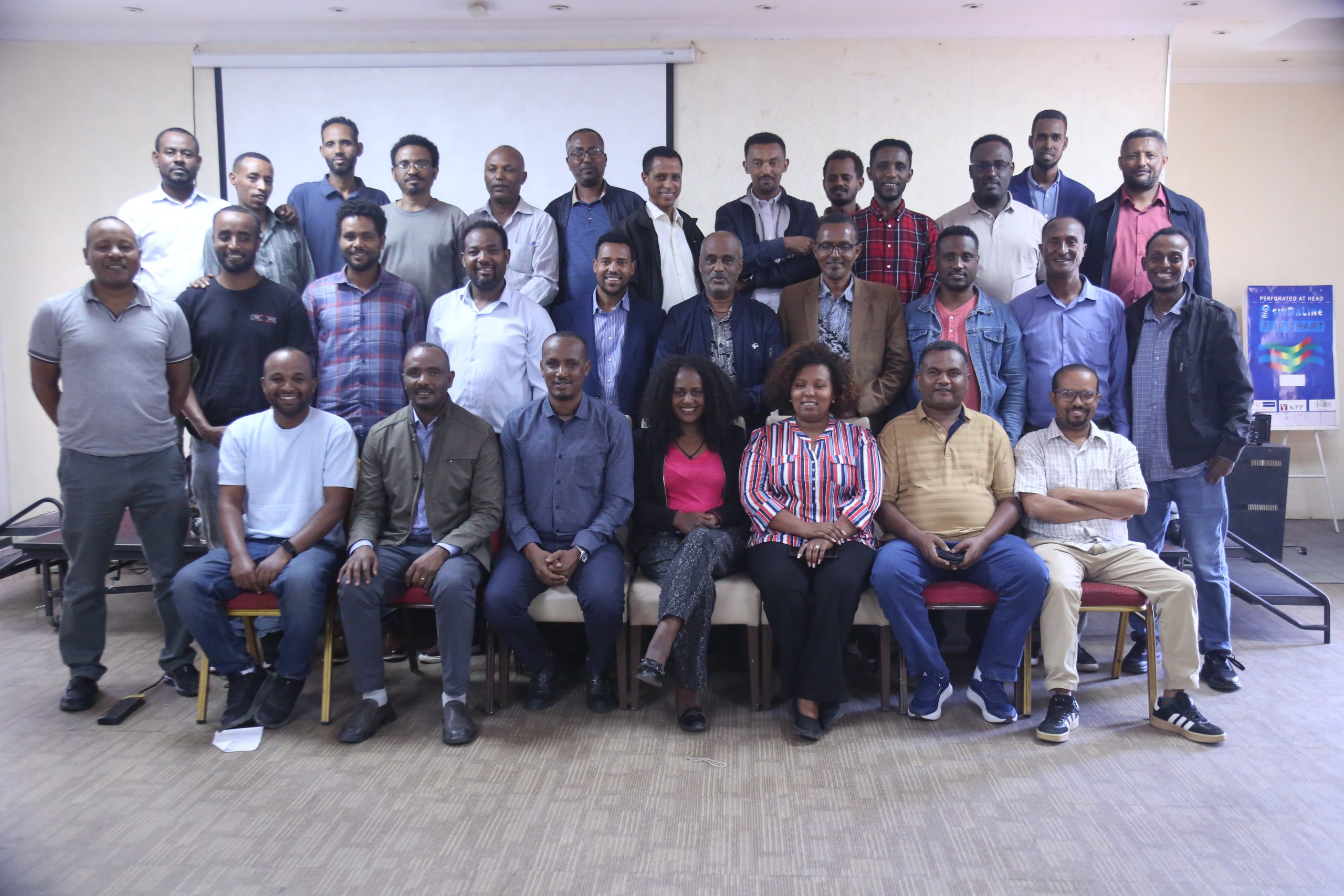
Food and Nutrition Stakeholders Review Progress and Set Priorities for 2019 EFY
Government institutions, implementing sectors, and development partners convened in Adama for the 2018 EFY Food and Nutrition Technical Committee Annual Review and Annual Planning Meeting to review progress, discuss findings from the 2018 Joint Supportive Supervision (JSS), and identify priorities for the 2019 EFY Food and Nutrition Plan. The meeting brought together representatives from the Ministry of Health (MoH), Ministry of Agriculture (MoA), Ministry of Education (MoE), Ministry of Industry, Ministry of Women and Social Affairs and other government institutions, alongside development partners including CARE, World Vision, Save the Children, FHI 360 Alive & Thrive, ECSC-SUN, and other nutrition stakeholders. Throughout the four-day event, participants engaged in interactive presentations, panel discussions, and group work sessions, creating a platform for experience sharing, joint problem-solving, and collaborative planning. The discussions underscored the importance of a coordinated, multisectoral approach to addressing malnutrition and improving food and nutrition security across Ethiopia. Progress and Key Achievements Participants reviewed achievements recorded during the past year, highlighting strengthened collaboration among sectors and partners to improve nutrition outcomes nationwide. Progress was reported in the expansion of school feeding and nutrition initiatives, improvements in food safety and quality systems, and ongoing efforts to enhance agricultural productivity and food availability through research and innovation. The meeting also recognized advances in integrated One WASH initiatives, which have improved access to water, sanitation, and hygiene services as critical interventions for preventing malnutrition and reducing disease burden among vulnerable populations. Stakeholders further noted efforts to empower women across food production, processing, and food preparation activities, recognizing their vital role in ensuring household food security and better nutrition outcomes for children and families. An important cross-cutting theme highlighted during the meeting was the growing application of the Humanitarian–Development–Peace (HDP) Triple Nexus approach, which aims to strengthen collaboration across emergency response, long-term development, and peace-building efforts to build more resilient communities and sustainable nutrition outcomes. Priorities for 2019 EFY Participants agreed on several priorities for the coming year, including: Strengthening integrated food and nutrition interventions across sectors. Expanding school health and nutrition programs and innovative approaches to improve access to nutritious foods. Scaling up One WASH interventions to support malnutrition prevention and improved health outcomes. Strengthening food safety, food quality assurance, and food fortification initiatives. Promoting women’s empowerment and participation throughout food systems and value chains. Enhancing research, evidence generation, monitoring, and learning to inform policy and programming. Advancing the Humanitarian–Development–Peace Nexus approach to strengthen resilience and ensure sustainable nutrition gains. Improving coordination, accountability, and joint planning among government institutions and development partners. During the closing session on July 16, 2026, participants agreed that the refined 2019 EFY Food and Nutrition Plan would be submitted within one week, while the final official plan is expected to be finalized within one month. In his closing remarks, Yonatan Mamo, Multisectoral and Seqota declaration coordination Desk Lead at the Ministry of Health, expressed appreciation to ECSC-SUN and other development partners for their continued technical support and commitment to advancing Ethiopia’s food and nutrition agenda. #ECSCSUN #MultiSectoralNutrition #FoodAndNutrition #OneWASH #SchoolNutrition #FoodSecurity #WomenEmpowerment #FoodSafety #HDPNexus #CARE #WorldVision #SaveTheChildren #AliveAndThrive
Read More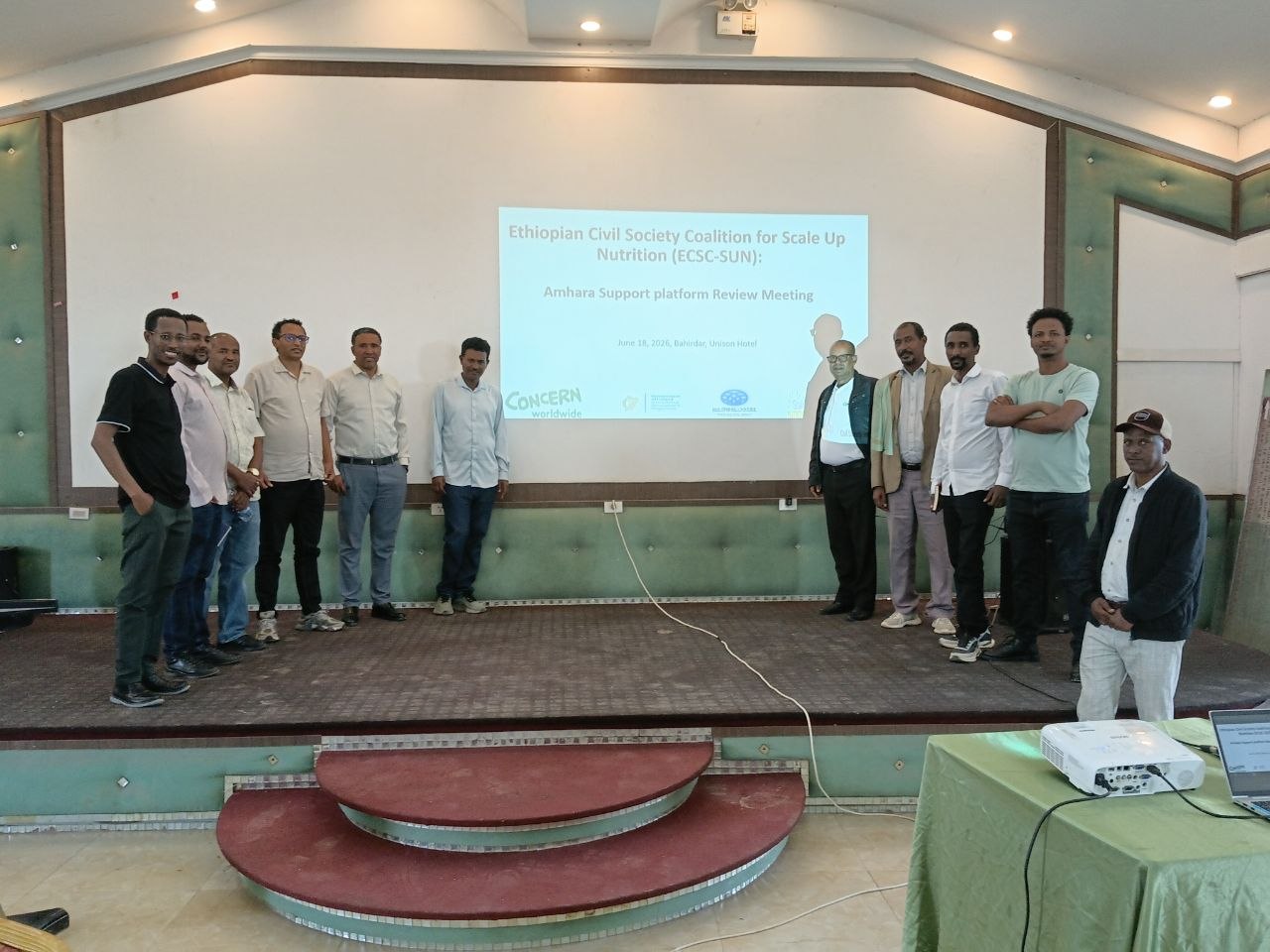
Strengthening Civil Society Collaboration to Advance Nutrition in Amhara
The Ethiopia Civil Society Coalition for Scaling Up Nutrition (ECSC-SUN) convened a regional review meeting in Bahir Dar, bringing together representatives from 11 civil society organizations (CSOs) to strengthen coordination and accelerate nutrition actions in the Amhara Region. The meeting served as a key moment for stakeholders to reflect on the performance of the ECSC-SUN Amhara Regional Support Platform and to identify practical solutions for enhancing its effectiveness. Participants emphasized that strong collaboration, active engagement, and coordinated efforts among CSOs are essential to address ongoing nutrition challenges and advance the Scaling Up Nutrition (SUN) agenda in the region. During the session, participants received an overview of the SUN Movement and the role of ECSC-SUN in promoting multi-sectoral coordination and advocacy for improved nutrition outcomes. The discussion highlighted the importance of aligning efforts across sectors and strengthening partnerships with key stakeholders at regional level. Key Challenges Identified Participants acknowledged several constraints affecting the functionality of the regional platform, including: Limited engagement and participation of member organizations Competing priorities among CSOs Resource and funding gaps impacting implementation These challenges have contributed to reduced activity and effectiveness of the platform in recent years. Strategic Priorities for Revitalization To address these gaps, participants proposed a series of strategic actions aimed at revitalizing and strengthening the platform: Reinforcing and institutionalizing the regional coordination mechanism Enhancing collaboration with regional sector bureaus and partners Expanding membership through mapping and mobilization of CSOs and networks Aligning activities with existing coordination structures to improve efficiency and avoid duplication Strengthening resource mobilization and partnership development efforts Agreed Actions and Way Forward The meeting concluded with clear commitments to move forward, including: Establishment of a Steering Committee composed of Concern Worldwide, World Vision, FIA, ASDEPO, MTI, and PIN to guide platform strengthening efforts Strengthening the coalition’s governance system, including the operationalization of its Terms of Reference Enhancing collaboration with partners and relevant platforms to maximize impact Creating a dedicated communication channel to improve coordination and information sharing among members Participants also agreed to align future meetings with existing regional coordination platforms to reduce duplication and improve engagement. Commitment to Collective Action The meeting reaffirmed the commitment of civil society organizations to work collaboratively in advancing nutrition outcomes in Amhara. By revitalizing the ECSC-SUN platform, stakeholders aim to strengthen civil society leadership, improve coordination, and deliver more effective and sustainable nutrition interventions across the region.
Read More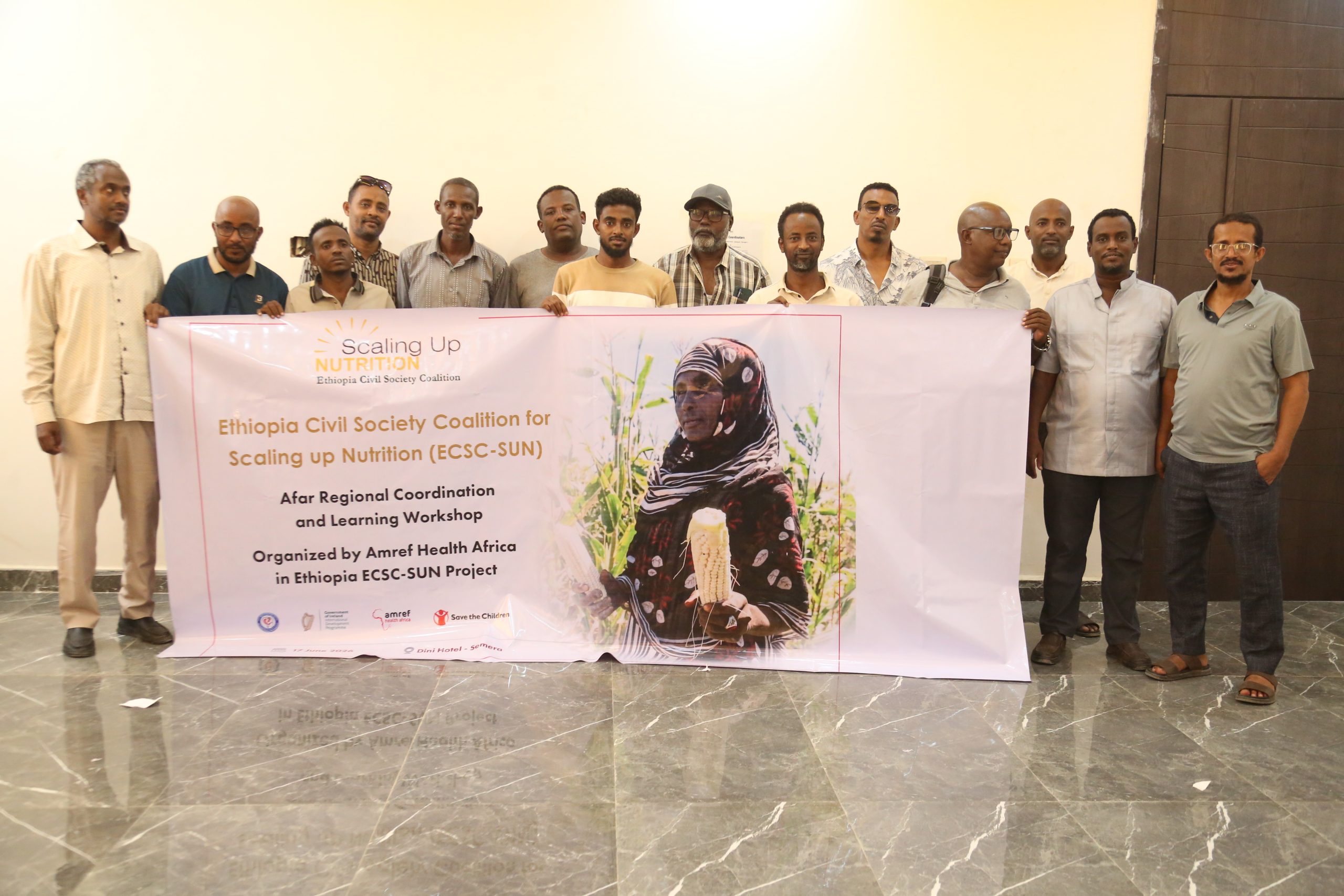
Strengthening Regional Action to Address Malnutrition in Afar
The Afar Regional ECSC-SUN (Ethiopian Civil Society Coalition for Scaling Up Nutrition) Coordination and Learning Workshop, organized by Amref Health Africa in Ethiopia, was successfully held on June 17, 2026, in Semera (Dini Hotel). The workshop brought together regional stakeholders to enhance collaboration and advance nutrition outcomes. The Afar Region ECSC-SUN coordination platform, led by Amref Health Africa in Ethiopia with Save the Children serving as co-chair, continues to play a critical role in driving multisectoral nutrition efforts across the region. In his opening remarks, Regional Health Bureau official Wasse highlighted that Afar remains one of the regions with a high burden of malnutrition and stunting, emphasizing the urgent need for stronger collaboration and reinforced coalition efforts to address the challenge. The ECSC-SUN Secretariat provided insights into the global Scaling Up Nutrition (SUN) Movement, highlighting ECSC-SUN strategic objectives, key achievements, ongoing challenges, and priority actions to accelerate progress. In a separate presentation, Amref representative Mohamed Abrar delivered an overview of the regional ECSC-SUN initiatives. Participants also reviewed updates on regional nutrition status, multisectoral coordination, and food and nutrition security progress, alongside partner experiences and success stories that showcased impactful interventions on the ground. The workshop further explored the nutrition financing landscape and concluded with a clear set of next steps and priorities to strengthen coordination and scale up effective responses. The event reaffirmed partners’ shared commitment to strengthening the ECSC-SUN coalition and accelerating coordinated action to reduce malnutrition and improve community health outcomes in Afar. #SUNMovement#ECSCSUN #SavetheChildren#AmrefHealthAfrica hashtag#Afar hashtag#Ethiopia hashtag#Partnerships
Read More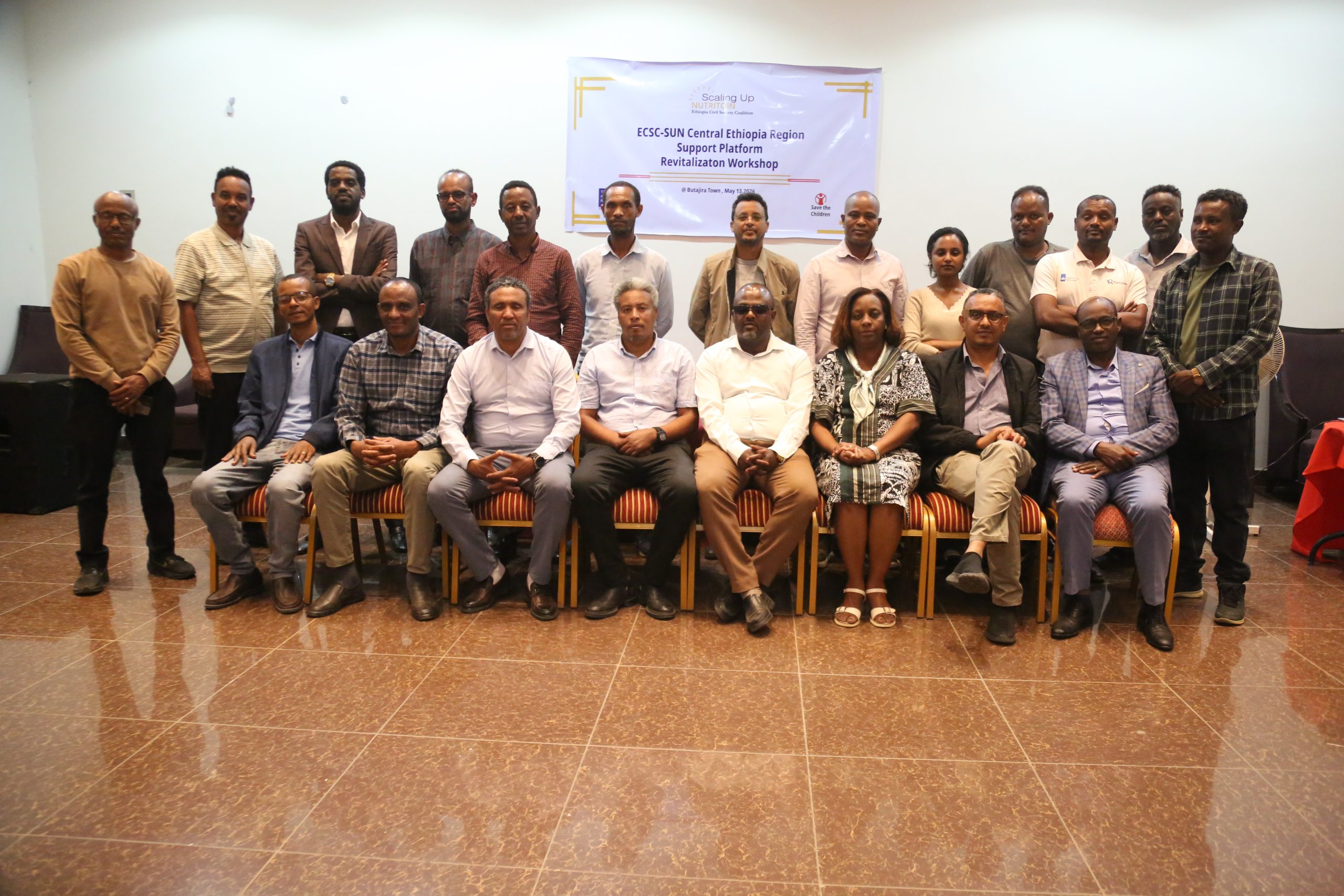
Strengthening Nutrition Coordination in Central Ethiopia
The Central Ethiopia Region ECSC-SUN platform, established in December 2024 by a coalition of 28 civil society organizations (CSOs), continues to make significant strides in enhancing collaboration and coordination to address malnutrition across the region. On May 13, 2026, a one-day revitalization workshop was successfully convened at Rediet Hotel in Butajira. The workshop was led by The Hunger Project Ethiopia, with technical and coordination support from the ECSC-SUN Secretariat (Save the Children). The event brought together 18 civil society organizations alongside key government stakeholders, reflecting a strong multi-sectoral commitment to improving nutrition outcomes. The workshop provided a valuable platform for participants to engage in in-depth presentations, interactive group discussions, and collaborative reflection. These sessions enabled stakeholders to assess progress achieved to date, identify critical gaps in implementation and coordination, and develop practical, actionable solutions to enhance the effectiveness and sustainability of the platform. Key outcomes of the workshop included: ✅ Strengthened partnerships and collaboration among stakeholders ✅ Clear articulation of roles and responsibilities across members ✅ Identification of implementation gaps and context-specific solutions ✅ Development of a joint action plan to guide future activities ✅ Enhanced communication and coordination mechanisms Through this revitalization effort, partners reaffirmed the pivotal role of civil society in advancing nutrition priorities, promoting accountability, and ensuring that vulnerable populations are not left behind. This initiative marks an important step toward a more coordinated, inclusive, and impactful response to malnutrition in Central Ethiopia. #ECSCSUN #SaveTheChildren #CivilSociety #TheHungerProjectEthiopia #AliveAndThrive #CentralEthiopiaRegion #Nutrition #Ethiopia
Read More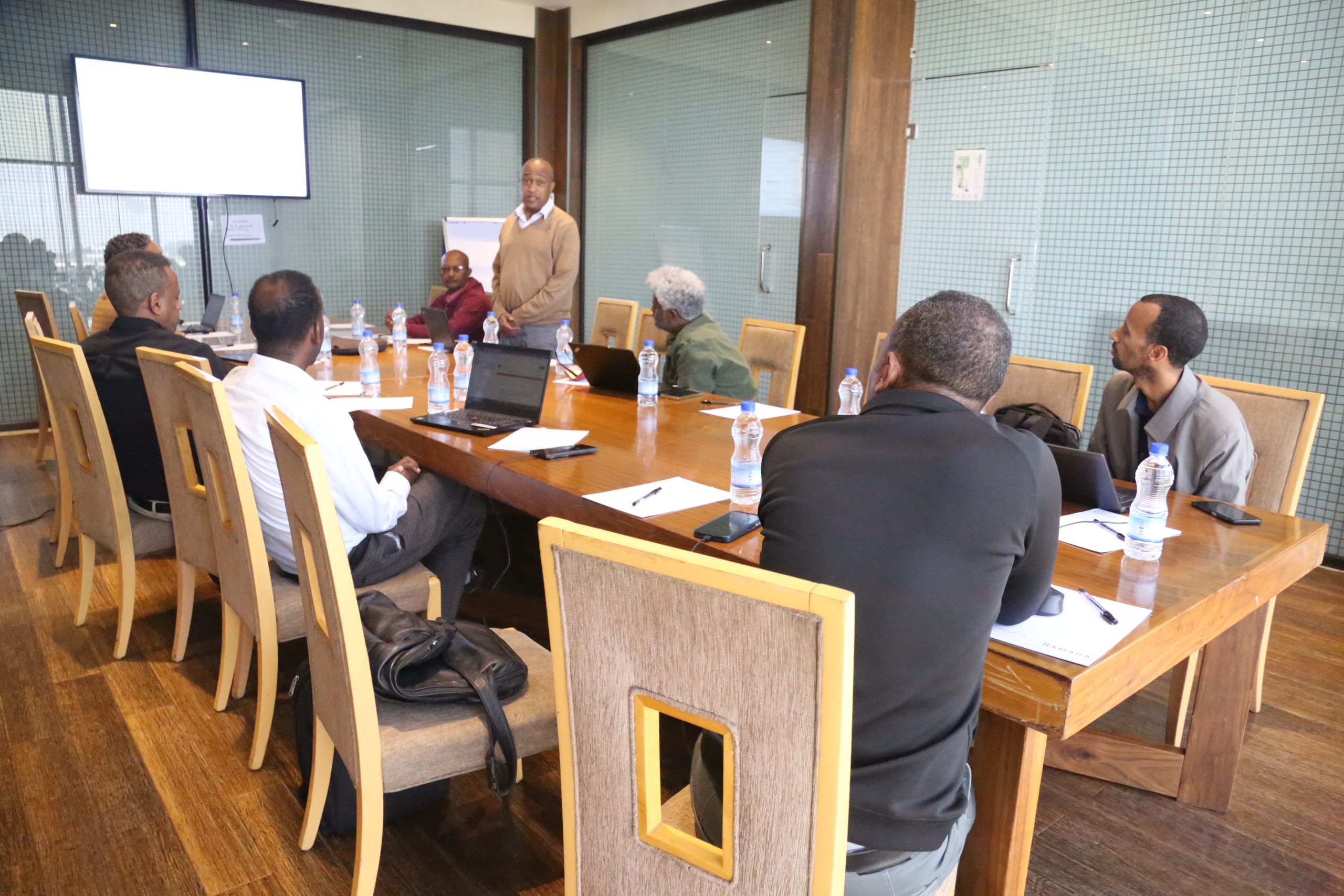
ECSC‑SUN Steering Committee Drives Stronger National and Regional Nutrition Coordination
The ECSC‑SUN Steering Committee, convened by Save the Children International (SCI), held its quarterly meeting on 30 April 2026 in Addis Ababa, bringing together civil society leaders and partners to review progress and advance coordinated action on nutrition in Ethiopia. The meeting highlighted key achievements, including strengthened food systems and nutrition coordination, expanded regional ECSC‑SUN platforms, and notable progress in gender‑transformative programming. A major milestone was the establishment of a new ECSC‑SUN regional platform in Gambella, expanding civil society engagement at regional level. Partners also reported the successful handover of Women’s Economic Empowerment (WEE) and Adolescent Initiative (AI) pilot projects to regional governments in Afar, Tigray, and Somali regions, marking an important step toward sustainability and government‑led scale‑up. Updates from Tigray, Amhara, and Oromia further showcased progress in CSO coordination, leadership development, media engagement, and platform revitalization. The Committee agreed on priority actions, including preparations for the ECSC‑SUN General Assembly planned for June 2026, alignment with SUN Movement Strategy 4.0, and strengthened resource mobilization and joint advocacy to address humanitarian and nutrition challenges. The meeting concluded with a strong reaffirmation of collective commitment to collaboration, sustainability, and accelerated action to improve nutrition outcomes nationwide. #NutritionAction #SUNMovement #CivilSociety #FoodSystems #GenderAndNutrition #Ethiopia #ECSC_SUN #SCI #CWW #MumsForMums #ACF # WVE #NI
Read More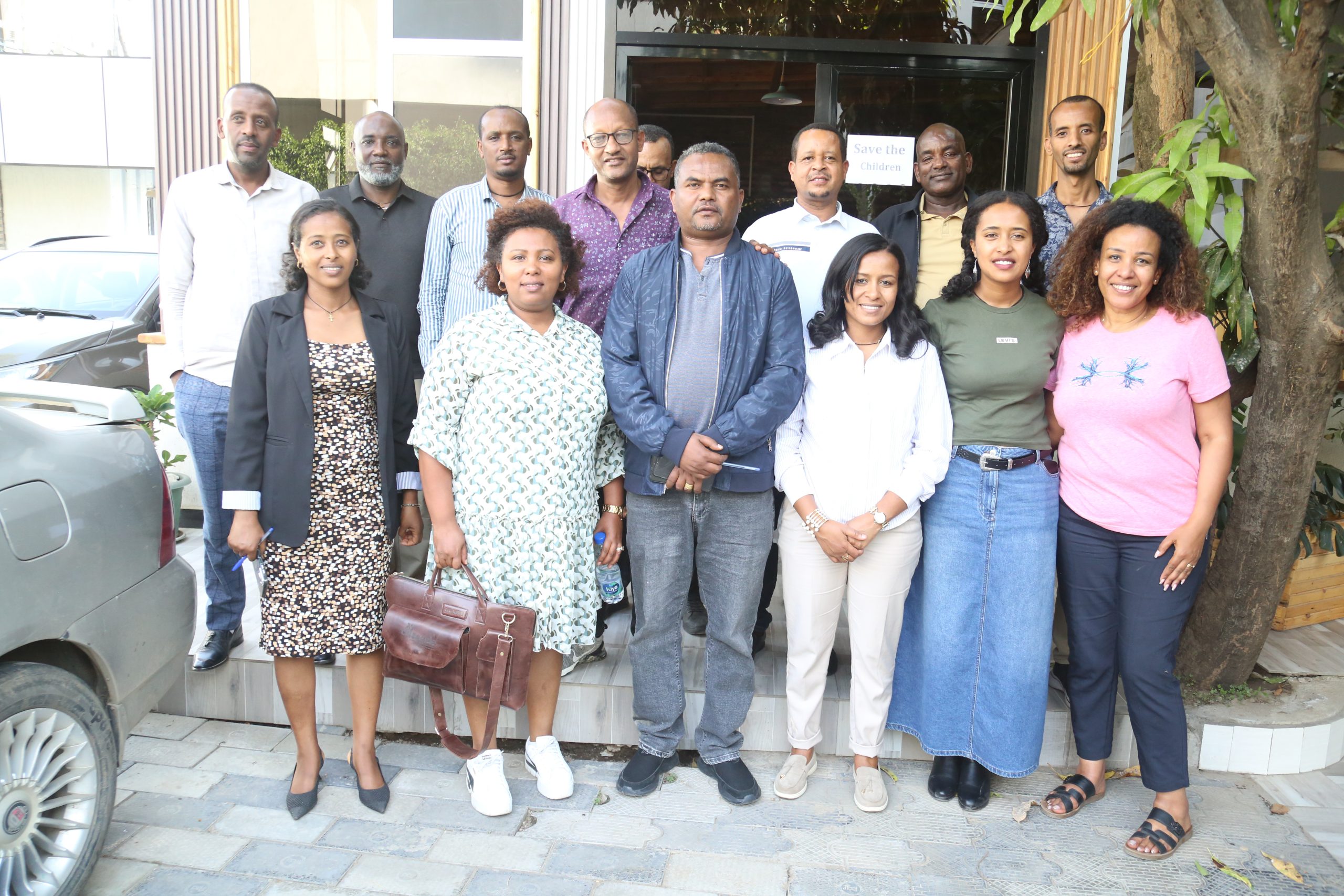
Empowering Stakeholders: ECSC SUN Delivers Gender, Learning and Safeguarding Training
The Ethiopian Civil Society Coalition for Scaling Up Nutrition (ECSC‑SUN) Secretariat successfully conducted a two‑day Evidence & Learning, Gender Mainstreaming, and Safeguarding Training from March 26–27, 2026, at Robi Hotel, Adama. The workshop brought together participants from Civil Society Organizations like Concern Worldwide, GOAL, CRS, WHH, CARE, Action Against Hunger, YADAM foundation as well as key government ministries, including Health, Agriculture, Water and Energy, and other sector offices—demonstrating strong multi‑sectoral commitment to strengthening safe, inclusive, and accountable nutrition programming. Expert trainers from Save the Children, together with ECSC‑SUN facilitators, delivered highly interactive sessions enriched with practical exercises and experience‑sharing discussions. Key Training Sessions The training program covered a comprehensive set of thematic areas, including an overview of ECSC‑SUN; gender mainstreaming; gender‑sensitive and gender‑transformative approaches; safeguarding principles and standards; identification of safeguarding risks in nutrition programs; safe program design and the creation of safe environments; reporting mechanisms and accountability systems; responding to safeguarding concerns; the Evidence and Learning Framework; and knowledge management. 🙏 Special Appreciation ECSC‑SUN extends its sincere appreciation to the trainers and facilitators whose expertise and commitment were instrumental to the success of the workshop: Mulunesh Biru – Gender Mainstreaming Martha Moges – Safeguarding Principles Kalkidan Berhanu – Evidence and Learning Shibabaw Yirsaw – Organizing and Facilitating the Training Nahusenay Alemayehu – highlighting ECSC‑SUN Overview Wondwosen Tilahun – Documentation and Session Facilitation Your dedication significantly enhanced the quality and impact of the learning experience. In his closing remarks, Abebe Bimerew, ECSC‑SUN National Lead, emphasized the importance of collaboration and continuous experience sharing, particularly on safeguarding issues within nutrition service delivery and advocacy work. He encouraged participants to apply the knowledge gained to strengthen safe, accountable, and evidence‑based programming within their respective institutions. Participants reaffirmed their commitment to advancing safeguarding practices, promoting gender‑responsive nutrition programming, and strengthening evidence and knowledge management across their organizations. Participants were awarded certificates of participation in recognition of their active engagement and commitment throughout the two‑day training. #SaveTheChildren #ECSCSUN #Nutrition #Safeguarding #GenderMainstreaming #EvidenceAndLearning #CSOs #CapacityBuilding #SafeProgramming
Read More

Cultivating Change: WEE & AI Project Boosts Nutrition, Livelihoods, and Education in Afar
The Ethiopian Civil Society Coalition for Scaling Up Nutrition (ECSC SUN) has completed and handed over the Women’s Economic Empowerment & Adolescent Initiative (WEE & AI) pilot project in, Asayita Woreda, Afar Region. The project, implemented since February 2024, has delivered significant progress in nutrition, livelihoods, gender equality, and school-based learning. Improving Household Nutrition and Livelihoods During a field visit to selected households, delegates, constituted in partnership with Save the Children, Amref Health Africa, and Afar regional and Woreda structures, observed the positive results of livelihood inputs provided through the project. Families in Corodura Kebele, Asayita Woreda, received chickens, milking goats, vegetable seeds, and agricultural tools tailored to their needs. As a result, households reported increased poultry production, higher egg consumption, and improved access to diverse vegetables cultivated in home gardens. Project participants demonstrated innovative approaches to overcoming local challenges, including rainwater harvesting and the use of natural Neem-based pest control solutions. These efforts have contributed to stronger food security and more diversified diets for women, children, and adolescents. Promoting Gender-Responsive Development The project’s gender model family approach has helped shift traditional norms by encouraging men to share household responsibilities more equitably. Families such as that of Asaweka highlighted how shared childcare and domestic tasks are easing women’s workloads and promoting more balanced family roles. School Gardening Inspires Hands-On Learning At Wanis Primary School, a thriving school garden has become a standout achievement of the pilot. Students and teachers cultivate a variety of vegetables while learning practical agricultural skills. The school has also used the garden as a platform for awareness-raising on diversified diets, influencing both their families and the wider community. The Woreda Education Office expressed commitment to further strengthening school gardening efforts and linking them with school meal programs to ensure students benefit from nutritious, locally grown food. Strengthened Government Ownership and Next Steps During the handover workshop, the Asayita Woreda Livestock, Agriculture and Natural Resources Development Office and the Women & Social Affairs Office pledged to sustain the progress and expand best practices to additional kebeles. Government partners received certificates of appreciation in recognition of their leadership and collaboration throughout the project period. Officials and community members also acknowledged ongoing challenges, including seasonal variations in the Awash River and environmental pressures such as high temperatures and pests. While solar-powered irrigation technologies remain costly, project stakeholders encouraged continued adoption of low-cost, community-led solutions to maintain gardens and production. A Foundation for Sustainable Growth ECSC SUN National Lead, Mr. Abebe Bimerew, emphasized that the project’s success reflects strong community commitment and effective multi-sector collaboration. He encouraged stakeholders to continue strengthening nutrition-sensitive, gender-responsive, and climate-resilient practices built under the WEE & AI initiative. The handover marks an important step toward sustaining and scaling the impact of integrated nutrition and livelihood interventions across Afar.
Read More
