


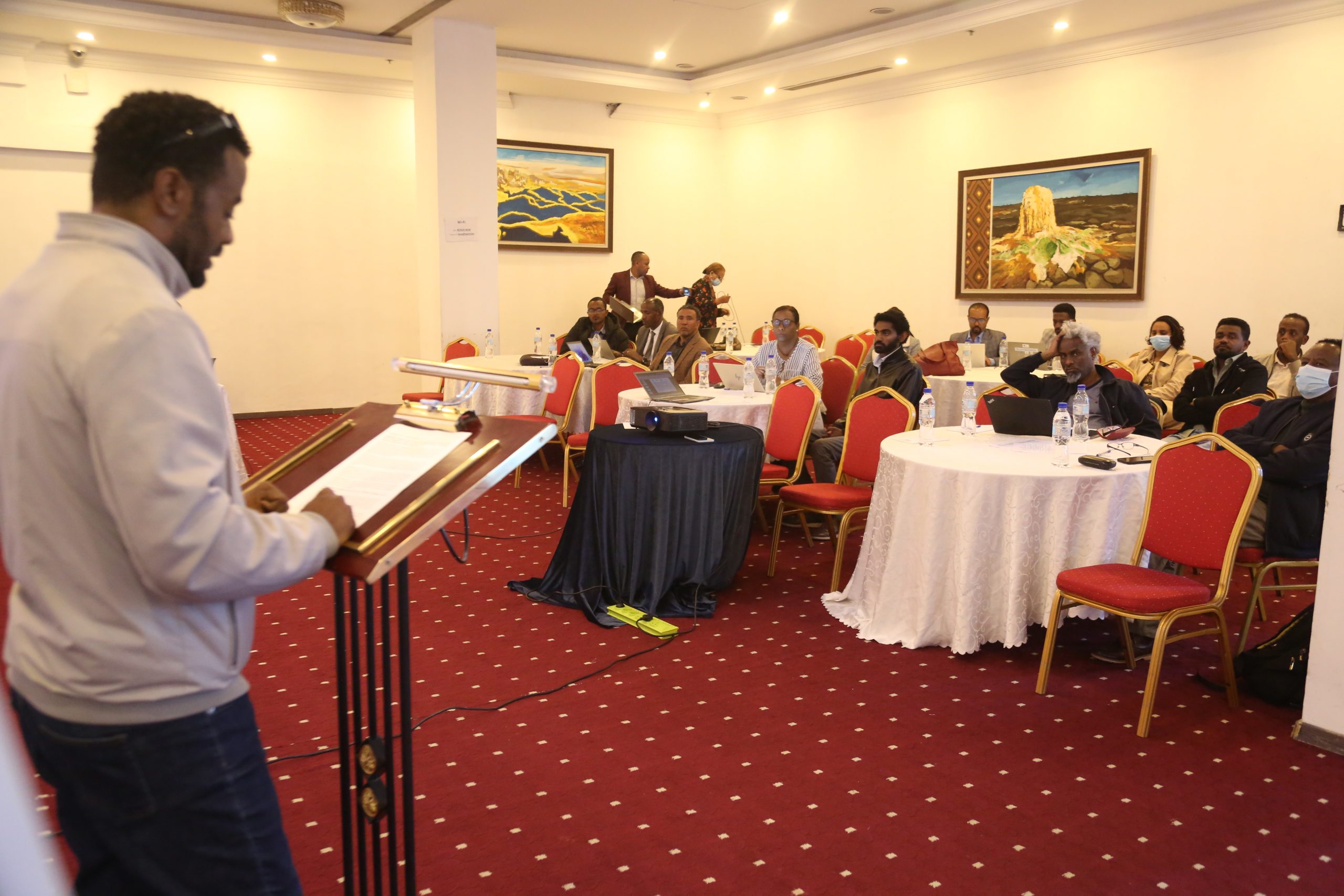
CS-SUNN PINNS 3.0 Launched to Advance Nutrition Advocacy in Ethiopia
The Ethiopian Civil Society Coalition for Scaling Up Nutrition (ECSC-SUN) and Action Against Hunger (ACF), in collaboration with the Ministry of Health (MOH), officially launched the CS-SUNN PINNS 3.0 Project during a high-level kick-off workshop held at the Swiss Inn Nexus Hotel in Addis Ababa on 23 July 2026 . The event brought together government representatives, civil society organizations, development partners, regional chapter leaders, professional associations, researchers, and private-sector stakeholders to advance a shared commitment to improving nutrition outcomes in Ethiopia. The launch marks the beginning of a two-year initiative designed to strengthen civil society leadership, enhance nutrition advocacy, increase public financing engagement, and promote evidence-based action to address key nutrition challenges across the country. Participants reaffirmed the importance of collective action and multi-sectoral collaboration in supporting Ethiopia’s nutrition priorities and commitments under the global Scaling Up Nutrition (SUN) Movement. During the workshop, project leaders presented the strategic priorities and implementation framework of the PINNS 3.0 Project. The initiative will focus on strengthening institutional capacity, advancing policy advocacy, supporting nutrition financing, improving accountability mechanisms, promoting cross-country learning, and enhancing collaboration among stakeholders at national and regional levels. Planned activities include training programs, multi-stakeholder dialogues, advocacy campaigns, policy monitoring, budget tracking, knowledge-sharing forums, and the establishment of a digital knowledge hub. A key feature of the project is its focus on accelerating advocacy around Multiple Micronutrient Supplementation (MMS) for pregnant women and the implementation of Large-Scale Food Fortification (LSFF). Presentations during the workshop highlighted persistent challenges affecting both interventions, including financing constraints, supply chain limitations, quality assurance gaps, low public awareness, inequitable access to services, and weak coordination mechanisms. Stakeholders agreed that addressing these bottlenecks will require stronger policy engagement, sustained investment, and coordinated action across sectors. ECSC-SUN emphasized its role as a national platform for coordinating civil society organizations working on nutrition. The coalition will continue mobilizing members, facilitating knowledge exchange, supporting regional chapters, leading advocacy campaigns, and strengthening accountability efforts to ensure nutrition remains a national development priority. Regional chapter leaders are expected to play a critical role in coordinating advocacy efforts and expanding engagement at sub-national levels. As the project’s fund administrator, Action Against Hunger (ACF) outlined key implementation, compliance, reporting, and accountability requirements that will guide project delivery over the next two years. The organization reaffirmed its commitment to supporting effective project management and fostering collaboration among partners to achieve measurable results. The workshop also highlighted the essential roles of key stakeholders. The Ministry of Health will lead efforts to integrate and scale up MMS within national nutrition policies and guidelines, while the Ministry of Industry will support the development and enforcement of food fortification standards. The Ministry of Finance is expected to champion nutrition financing and resource mobilization, and the Ethiopian Food and Drug Authority (EFDA) will oversee quality and regulatory compliance. Development partners, research institutions, professional associations, and private-sector actors will provide technical expertise, financial support, evidence generation, innovation, and supply chain engagement. Participants used the forum to identify implementation priorities, strengthen partnerships, and develop Year One action plans in collaboration with the ECSC-SUN Steering Committee and Regional Chapter Leads. The discussions underscored the importance of evidence-driven advocacy, sustained public investment, and strong accountability systems to achieve lasting nutrition gains and reach vulnerable populations, including women, children, and communities in remote and underserved areas. The launch of the CS-SUNN PINNS 3.0 Project represents an important milestone in strengthening civil society engagement and advancing Ethiopia’s nutrition agenda. By promoting policy dialogue, enhancing public financing for nutrition, supporting food fortification and maternal nutrition initiatives, and fostering collaboration across sectors, the project aims to contribute to healthier communities and a more nutrition-secure future for all Ethiopians. Advocacy Message: The project supports efforts to transform Ethiopia’s Multiple Micronutrient Supplementation roadmap into a fully funded, monitored, and equity-focused program, ensuring that every pregnant woman has access to quality antenatal care and adequate micronutrient supplementation. #CSSUNN #PINNS30 #ECSCSUN #ActionAgainstHunger #MoH#NutritionAdvocacy #FoodFortification #MMS#PartnershipForNutrition
Read More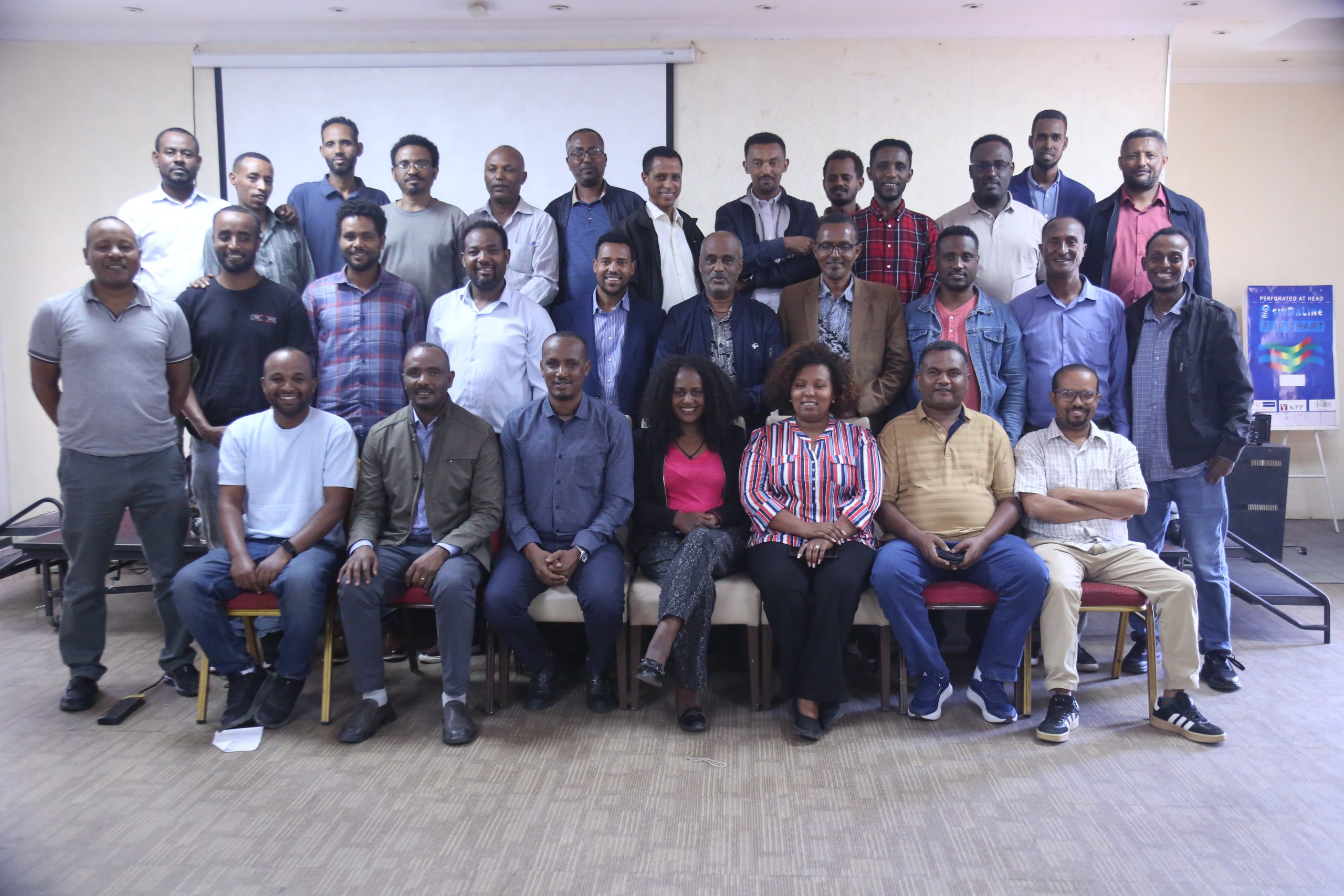
Food and Nutrition Stakeholders Review Progress and Set Priorities for 2019 EFY
Government institutions, implementing sectors, and development partners convened in Adama for the 2018 EFY Food and Nutrition Technical Committee Annual Review and Annual Planning Meeting to review progress, discuss findings from the 2018 Joint Supportive Supervision (JSS), and identify priorities for the 2019 EFY Food and Nutrition Plan. The meeting brought together representatives from the Ministry of Health (MoH), Ministry of Agriculture (MoA), Ministry of Education (MoE), Ministry of Industry, Ministry of Women and Social Affairs and other government institutions, alongside development partners including CARE, World Vision, Save the Children, FHI 360 Alive & Thrive, ECSC-SUN, and other nutrition stakeholders. Throughout the four-day event, participants engaged in interactive presentations, panel discussions, and group work sessions, creating a platform for experience sharing, joint problem-solving, and collaborative planning. The discussions underscored the importance of a coordinated, multisectoral approach to addressing malnutrition and improving food and nutrition security across Ethiopia. Progress and Key Achievements Participants reviewed achievements recorded during the past year, highlighting strengthened collaboration among sectors and partners to improve nutrition outcomes nationwide. Progress was reported in the expansion of school feeding and nutrition initiatives, improvements in food safety and quality systems, and ongoing efforts to enhance agricultural productivity and food availability through research and innovation. The meeting also recognized advances in integrated One WASH initiatives, which have improved access to water, sanitation, and hygiene services as critical interventions for preventing malnutrition and reducing disease burden among vulnerable populations. Stakeholders further noted efforts to empower women across food production, processing, and food preparation activities, recognizing their vital role in ensuring household food security and better nutrition outcomes for children and families. An important cross-cutting theme highlighted during the meeting was the growing application of the Humanitarian–Development–Peace (HDP) Triple Nexus approach, which aims to strengthen collaboration across emergency response, long-term development, and peace-building efforts to build more resilient communities and sustainable nutrition outcomes. Priorities for 2019 EFY Participants agreed on several priorities for the coming year, including: Strengthening integrated food and nutrition interventions across sectors. Expanding school health and nutrition programs and innovative approaches to improve access to nutritious foods. Scaling up One WASH interventions to support malnutrition prevention and improved health outcomes. Strengthening food safety, food quality assurance, and food fortification initiatives. Promoting women’s empowerment and participation throughout food systems and value chains. Enhancing research, evidence generation, monitoring, and learning to inform policy and programming. Advancing the Humanitarian–Development–Peace Nexus approach to strengthen resilience and ensure sustainable nutrition gains. Improving coordination, accountability, and joint planning among government institutions and development partners. During the closing session on July 16, 2026, participants agreed that the refined 2019 EFY Food and Nutrition Plan would be submitted within one week, while the final official plan is expected to be finalized within one month. In his closing remarks, Yonatan Mamo, Multisectoral and Seqota declaration coordination Desk Lead at the Ministry of Health, expressed appreciation to ECSC-SUN and other development partners for their continued technical support and commitment to advancing Ethiopia’s food and nutrition agenda. #ECSCSUN #MultiSectoralNutrition #FoodAndNutrition #OneWASH #SchoolNutrition #FoodSecurity #WomenEmpowerment #FoodSafety #HDPNexus #CARE #WorldVision #SaveTheChildren #AliveAndThrive
Read More
