


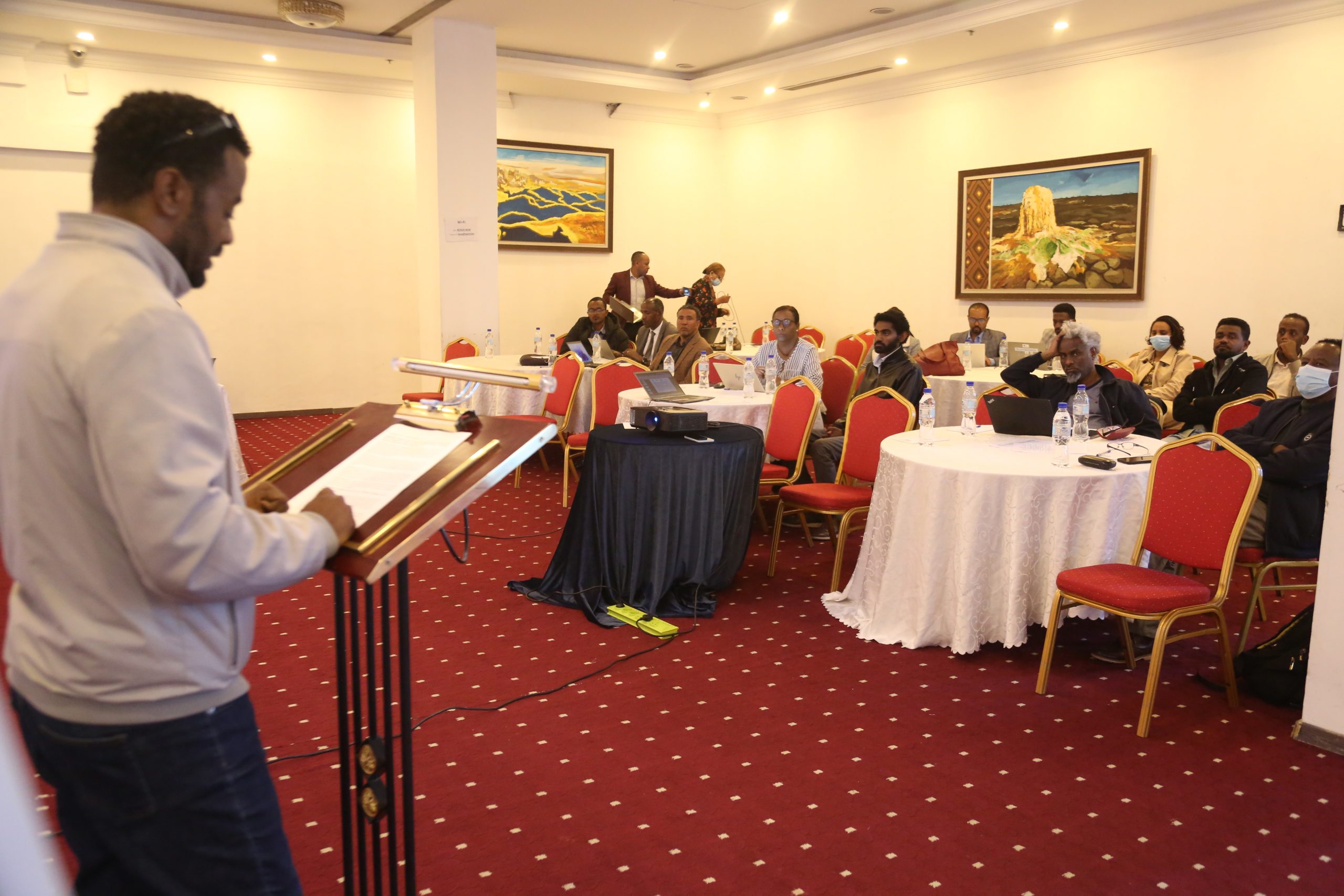
The Ethiopian Civil Society Coalition for Scaling Up Nutrition (ECSC-SUN) and Action Against Hunger (ACF), in collaboration with the Ministry of Health (MOH), officially launched the CS-SUNN PINNS 3.0 Project during a high-level kick-off workshop held at the Swiss Inn Nexus Hotel in Addis Ababa on 23 July 2026 




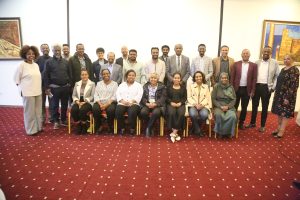
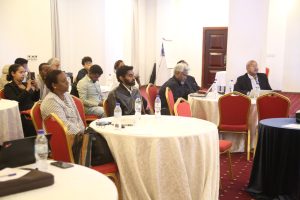
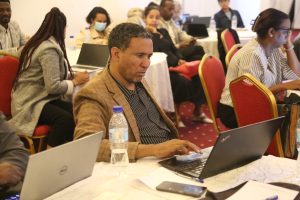
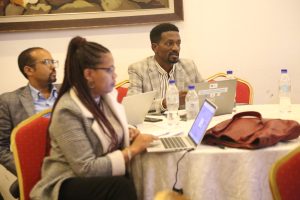
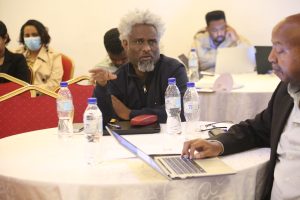
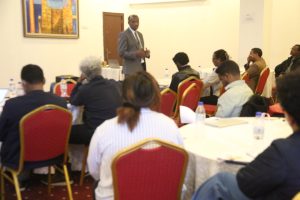 . The event brought together government representatives, civil society organizations, development partners, regional chapter leaders, professional associations, researchers, and private-sector stakeholders to advance a shared commitment to improving nutrition outcomes in Ethiopia.
The launch marks the beginning of a two-year initiative designed to strengthen civil society leadership, enhance nutrition advocacy, increase public financing engagement, and promote evidence-based action to address key nutrition challenges across the country. Participants reaffirmed the importance of collective action and multi-sectoral collaboration in supporting Ethiopia’s nutrition priorities and commitments under the global Scaling Up Nutrition (SUN) Movement.
During the workshop, project leaders presented the strategic priorities and implementation framework of the PINNS 3.0 Project. The initiative will focus on strengthening institutional capacity, advancing policy advocacy, supporting nutrition financing, improving accountability mechanisms, promoting cross-country learning, and enhancing collaboration among stakeholders at national and regional levels. Planned activities include training programs, multi-stakeholder dialogues, advocacy campaigns, policy monitoring, budget tracking, knowledge-sharing forums, and the establishment of a digital knowledge hub.
A key feature of the project is its focus on accelerating advocacy around Multiple Micronutrient Supplementation (MMS) for pregnant women and the implementation of Large-Scale Food Fortification (LSFF). Presentations during the workshop highlighted persistent challenges affecting both interventions, including financing constraints, supply chain limitations, quality assurance gaps, low public awareness, inequitable access to services, and weak coordination mechanisms. Stakeholders agreed that addressing these bottlenecks will require stronger policy engagement, sustained investment, and coordinated action across sectors.
ECSC-SUN emphasized its role as a national platform for coordinating civil society organizations working on nutrition. The coalition will continue mobilizing members, facilitating knowledge exchange, supporting regional chapters, leading advocacy campaigns, and strengthening accountability efforts to ensure nutrition remains a national development priority. Regional chapter leaders are expected to play a critical role in coordinating advocacy efforts and expanding engagement at sub-national levels.
As the project’s fund administrator, Action Against Hunger (ACF) outlined key implementation, compliance, reporting, and accountability requirements that will guide project delivery over the next two years. The organization reaffirmed its commitment to supporting effective project management and fostering collaboration among partners to achieve measurable results.
The workshop also highlighted the essential roles of key stakeholders. The Ministry of Health will lead efforts to integrate and scale up MMS within national nutrition policies and guidelines, while the Ministry of Industry will support the development and enforcement of food fortification standards. The Ministry of Finance is expected to champion nutrition financing and resource mobilization, and the Ethiopian Food and Drug Authority (EFDA) will oversee quality and regulatory compliance. Development partners, research institutions, professional associations, and private-sector actors will provide technical expertise, financial support, evidence generation, innovation, and supply chain engagement.
Participants used the forum to identify implementation priorities, strengthen partnerships, and develop Year One action plans in collaboration with the ECSC-SUN Steering Committee and Regional Chapter Leads. The discussions underscored the importance of evidence-driven advocacy, sustained public investment, and strong accountability systems to achieve lasting nutrition gains and reach vulnerable populations, including women, children, and communities in remote and underserved areas.
The launch of the CS-SUNN PINNS 3.0 Project represents an important milestone in strengthening civil society engagement and advancing Ethiopia’s nutrition agenda. By promoting policy dialogue, enhancing public financing for nutrition, supporting food fortification and maternal nutrition initiatives, and fostering collaboration across sectors, the project aims to contribute to healthier communities and a more nutrition-secure future for all Ethiopians.
Advocacy Message: The project supports efforts to transform Ethiopia’s Multiple Micronutrient Supplementation roadmap into a fully funded, monitored, and equity-focused program, ensuring that every pregnant woman has access to quality antenatal care and adequate micronutrient supplementation.
#CSSUNN #PINNS30 #ECSCSUN #ActionAgainstHunger #MoH#NutritionAdvocacy #FoodFortification #MMS#PartnershipForNutrition

